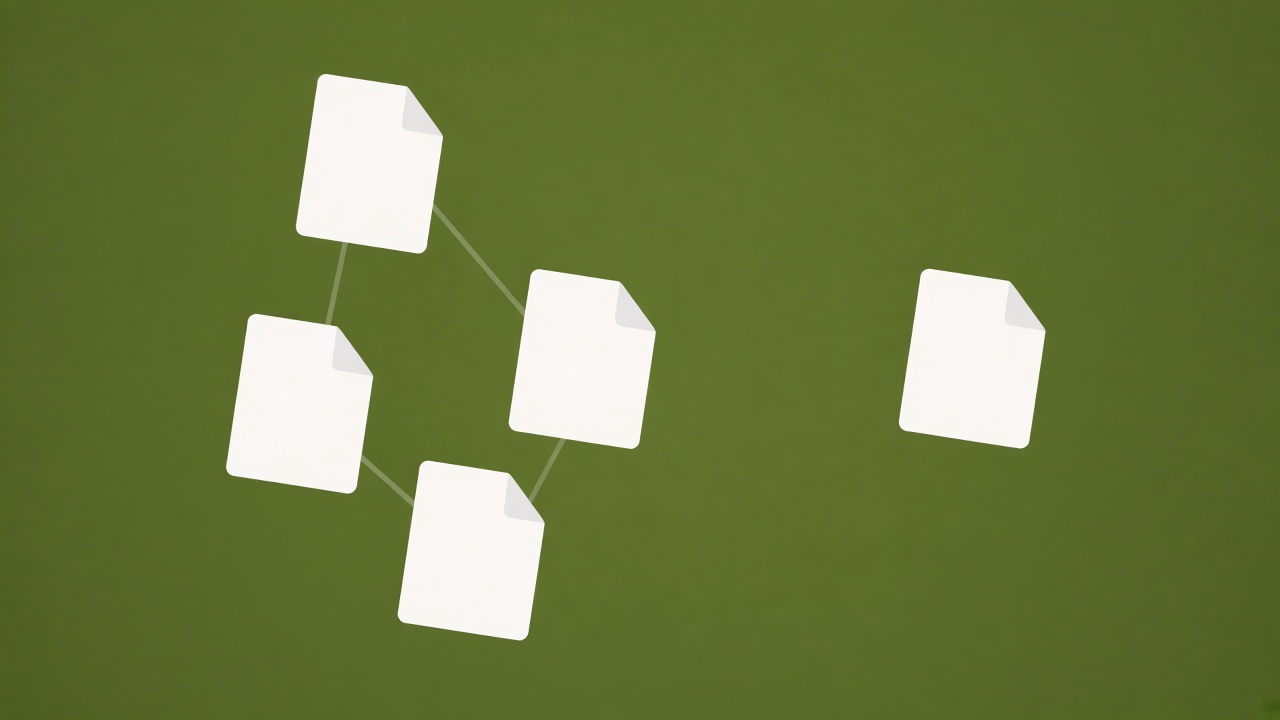
A page can be live and still be invisible. If no other page on your site links to it, a crawler that follows links never arrives. That page is an orphan. People who already have the address can open it. Everyone else has to guess the URL.
One link is the whole fix
You do not rebuild an orphan. You link to it from a page that is already crawled. The homepage, a service index, or a relevant guide is enough. The words of the link should name the destination. 'Read the pricing' is a link. 'Click here' is not, because it does not say where it goes.
Navigation counts. A page in the header or footer is linked from every page that shows that header or footer. A page that is only mentioned in a PDF, or only in a social post, is still an orphan on the site itself. The link has to be in the HTML of a page on the same site.
A link and a sitemap entry are different
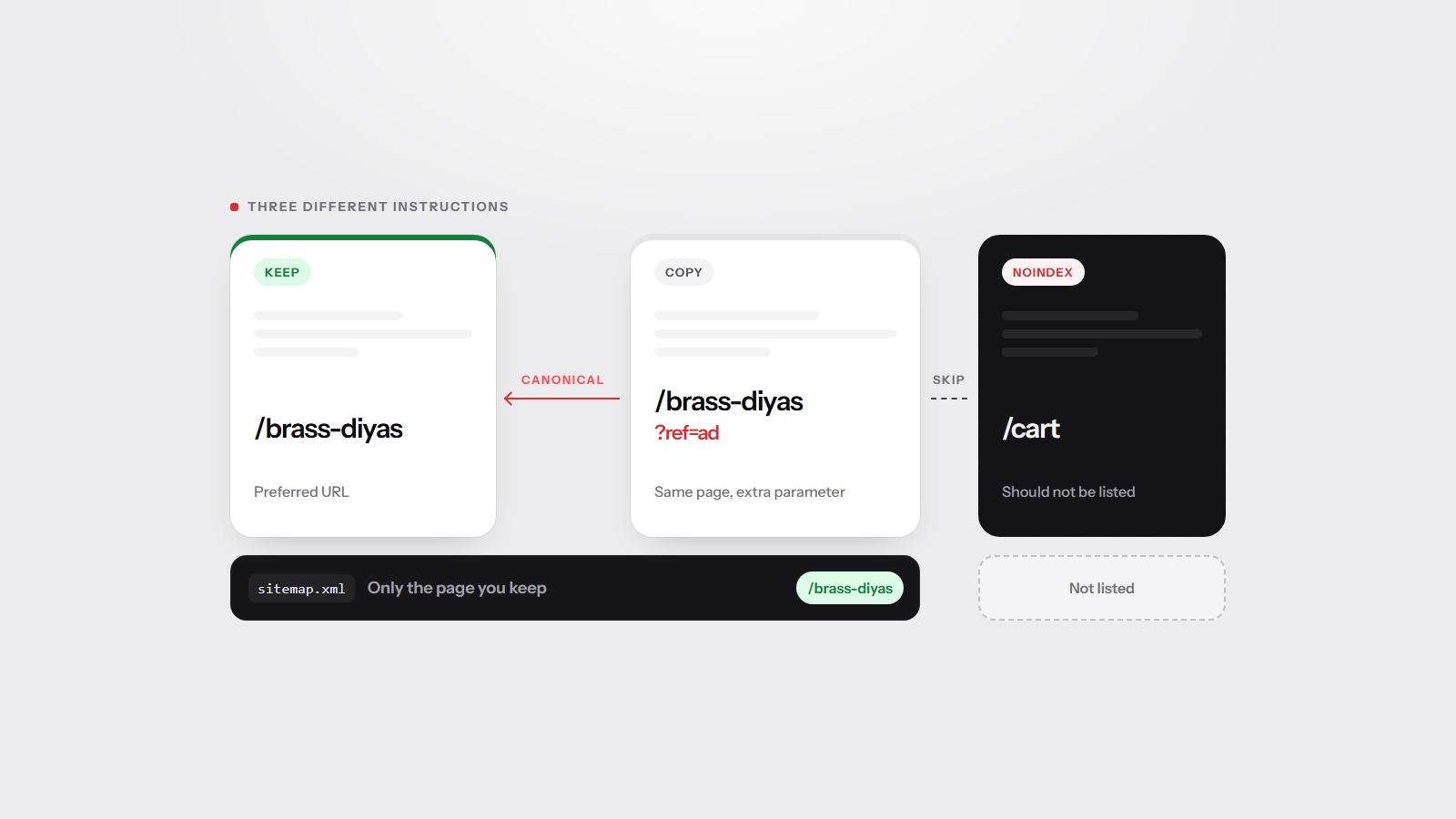
The sitemap is a list of URLs you would like discovered. An internal link is a path a person and a crawler can follow. A page can be on the sitemap and still have no links. A page can be linked and still be missing from the sitemap. Do both for pages you want found: link them, and list the final URL in the sitemap.
- Link the page from one crawled page, with an anchor that names it.
- Put the final URL in the sitemap, not a redirect and not a noindex URL.
- Remove links to pages you retired, or point them at the page that replaced them.
If the whole site is missing from Google, an orphan is not the first thing to check. A block in robots.txt or a noindex on the homepage hides everything. Why a finished site can be missing is that case. Orphans matter once the site itself can be fetched.
Make a short list of the pages you want a stranger to be able to find: the offer, the proof, the way to get in touch. For each one, name the page that should link to it. If you cannot name that page, the orphan is real. Add the link in the body, where it helps the reader, not only in a block of 'related' links that nobody understands. A good internal link is a sentence that would still make sense if the reader never cared about search.
How a scan sees it
A homepage scan cannot see orphans deeper in the site. A crawl can. It compares pages it found by following links with pages you listed. The technical category, 20 percent of the score, includes crawl structure. The checks and weights are on the methodology page.
Start with the free scan to see whether the homepage itself is fetchable. Then look at the pages you care about and ask a plain question: from which page would a new visitor click through?